
Why We Fell In Love with Mahjong (And Why You Might, Too)

Mahjong is more than just a game. It's part strategy, part skill, part tradition and somehow always a little magical. It's the kind of game that pulls you in slowly... and then suddenly you're hooked.
Heck, even Martha Stewart has been talking about it lately -- and if it's good enough for Martha, we're listening.
Whether played casually around a kitchen table or settling in for a more competitive game, American Mahjong offers something few other games can: challenge, connection, and a really good excuse to gather with people you enjoy. It's also the reason Annika and I fell in love with the game and why we decided to build a Mahjong community right here in the Valley.
The Perfect Mix of Skill and Chance
Mahjong lives in that sweet spot between luck and strategy, which is exactly what makes it so addictive.
Yes, the tiles you draw matter. But how you play them matters even more.
Tile drawing and discarding: You are constantly weighing what you need now versus what might help you later.
Reading the table: Paying attention to what others are discarding (or holding onto) gives you clues about their hands.
Pattern recognition: The more you play, the faster you start spotting winning hands and potential paths forward.
No two games are ever the same, and that unpredictability keeps things interesting...even after years of playing. Oh, and let's not forget the card (and the potential hands) change every single year. Yes, you read that right. Every. Year.
It's a Social Game (In the Best Way)
One of the reasons people truly fall in love with Mahjong: it's meant to be played together. Mahjong naturally creates space for conversation, laughter, and connection without feeling forced.
Family traditions: Many players learn the game from parents or grandparents making it a multigenerational ritual. Even kid-friendly sets are becoming popular so you can teach (and play with) your little ones.
Friendship and community: Mahjong groups turn into social circles, support systems, and standing weekly plans.
Mental and social engagement: Playing keeps your brain active while giving you a reason to unplug and connect face-to-face (no more screens!).
It's competitive enough to be engaging, but social enough to feel welcoming. A rare and winning combination.
The Beauty (and Feel) of the Game
Mahjong isn't just fun to play, it's beautiful to experience.
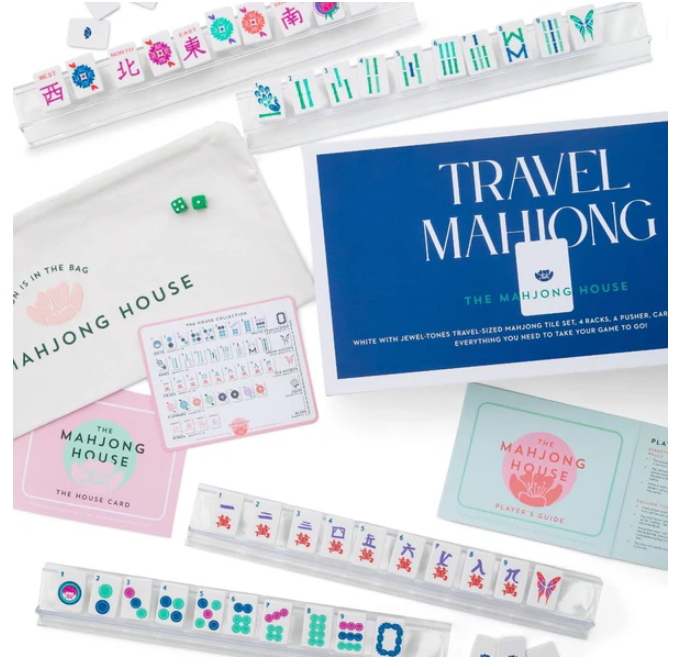
Thoughtfully crafted tiles: From classic designs to modern sets, the tiles themselves are little works of art. My latest obsession is OhMyMahjong's Emerald Tile Set. Like it? You can take 10% off using code SONORANMAHJCO10 -- just a little perk we love sharing.
Visual appeal: The colors, symbols, and patterns make the game visually satisfying and the accessories are unreal. Mats, racks and pushers, shufflers... oh my!
That satisfying clack: Let's be honest, shuffling tiles and stacking your wall just feels good.
There is a tactile joy to Mahjong that digital games simply can't replicate.
Why We Always Come Back to the Table
Ask any Mahjong player and you'll hear a similar story: "I didn't expect to love it so much."
Endless variety: No two games are the same, keeping the experience fresh.
A mental workout: Strategy, memory, and focus all get a workout.
Pure joy: Whether you win a hand or just enjoy the company, it's genuinely satisfying.
For many, Mahjong becomes more than a pastime—it becomes a passion.
New to Mahjong? Here's How to Fall in Love with It
If you’re Mahjong-curious or just getting started, a few simple tips can make all the difference.
Start with the basics: You don't need to know everything to begin, just enough to hold your own at the table. Our Beginner Bootcamp is the perfect starter course to get you on your way.
Learn with others: Playing alongside experienced players helps things click faster. Try a guided play or social play session.
Practice: Confidence comes with repetition.
Join our community: Mahjong is more fun when it's social. Follow us on Instagram or subscribe to our newsletter to keep up with new classes and events.
That first step, sitting down to the table, is often the hardest. It only gets better from there.


Comments